
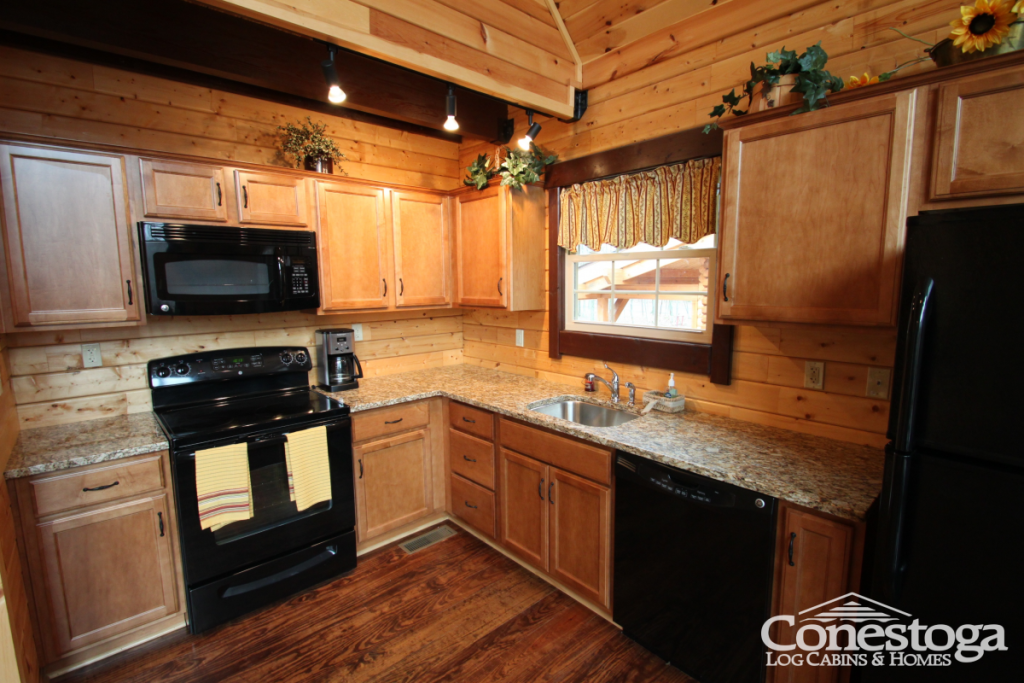
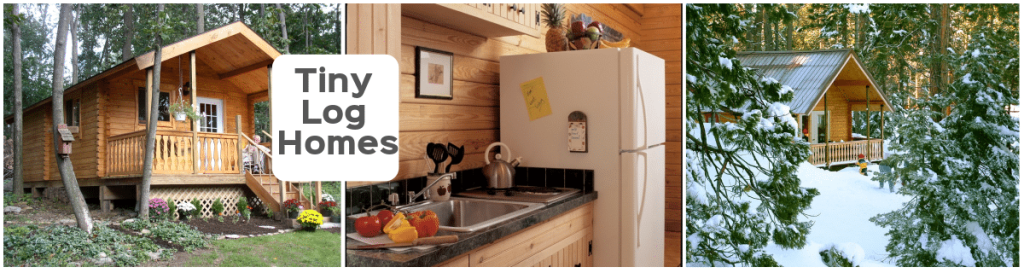
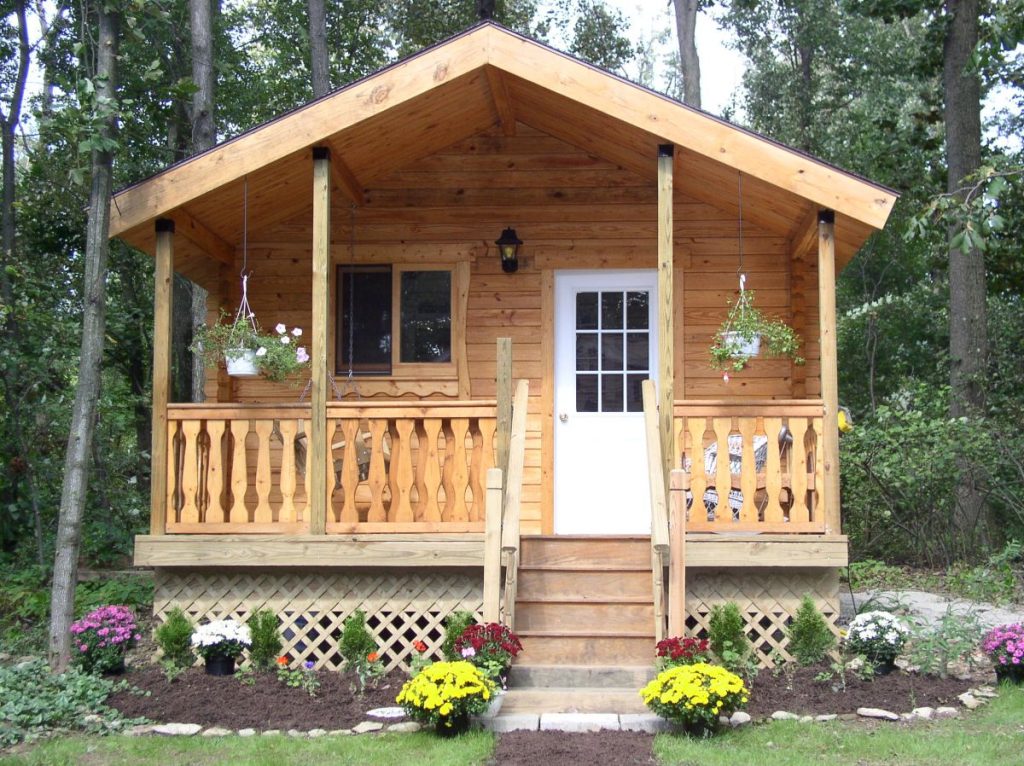
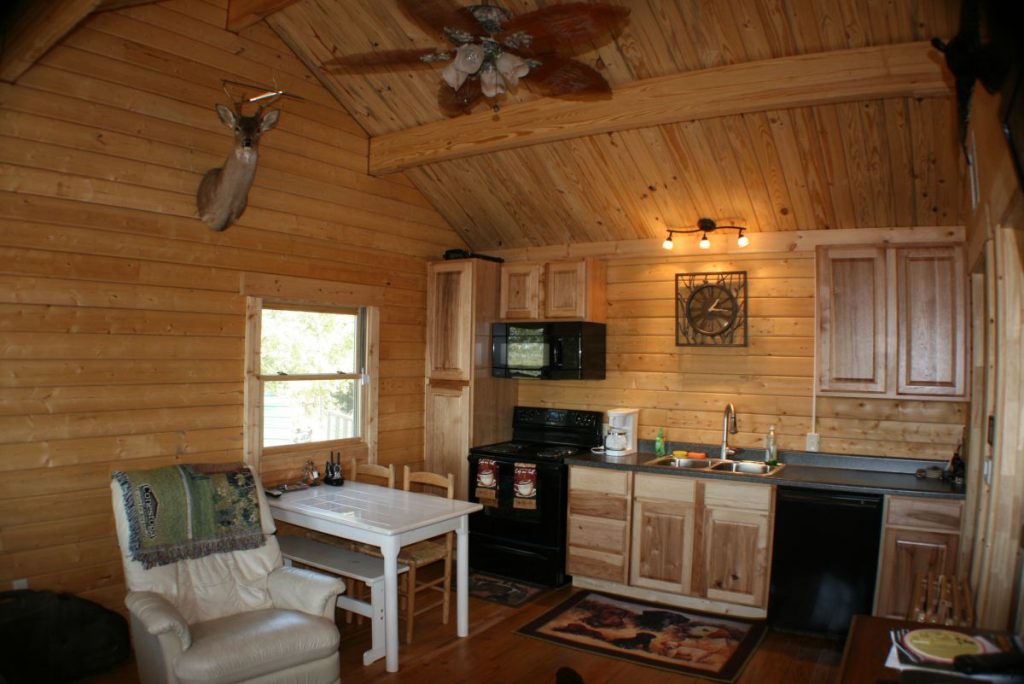
Building codes are the bottleneck of any tiny house venture. Though you won’t be able to bypass most of them, there are ways to meet code while still maintaining the tiny house feel that you’ve come to love.

Here are several building code restrictions you will need to focus on complying with:
1. Minimum Size
There is a common misconception that homes smaller than a specific minimum size do not need a permit or code conformity. While this is often true, there is one crucial caveat: You cannot live in such permit-less structures. Authorities define it as a residential dwelling if you place personal items in it, at which point it must conform to code or you can be forced to leave.
It’s worth noting that if the minimum size for a dwelling in your area is 400 square feet, for example, it may be worth it to build a home of that size. You will avoid lots of headaches with local regulations, and still have a small house to be proud of.
2. Minimum Room Size
The International Residential Code, or IRC, is a set of building codes many states defer to for their own codes. There used to be a requirement in the IRC that a home must include one room with 120 square feet or more, though this requirement has since been removed. Be sure to check your local building codes to see if there is a minimum required room size.
3. Minimum Ceiling Height
The IRC states that ceilings should usually be a minimum of 7 feet above the finished floor. Sticking to this guideline is advisable either way, as anything less than this restricts the lighting fixtures you can place on your ceiling and creates an overall cramped spatial feel.

4. Utility Requirements
This set of requirements will deal with heating, cooling, gas, electrical and plumbing systems in your tiny house. These are important to follow because they have been put in place for your safety. Utility codes such as the distance between an outlet and the floor, the amount of ventilation required and other guidelines are essential to adhere to, regardless of home size.
5. Energy Codes
Energy codes are put in place to create cost-effective, energy-efficient homes that reduce pollution and capitalize on insulation and air sealing. These will vary significantly by location, with colder climates requiring more insulation than warmer ones. Again, it is essential to adhere to these to pass code.
While building codes may create some restrictions, some loopholes can alleviate their burden and still have a tiny house meet overall building codes. Utilizing these alternative building options can often make the difference between a tiny house coming to life or not, so make sure you explore them:
1. Find a friend willing to let you build your tiny house on their property.
Classic home ownership goes like this: You buy a property and take out a mortgage on a house, then pay that mortgage off for the next 15 to 30 years. However, in the era of tiny homes, people are getting a lot more creative with the routes they take to live in their own homes.
One excellent option is finding a friend who would be willing to have a tiny house on their property.
In this case, your tiny house would fall under the classification of an accessory dwelling unit, or ADU. An ADU is a tiny house — or even an additional set of rooms — on the same property as a primary dwelling. Different places will have different requirements for ADUs. The following are samples of potential rules:
These rules vary between states and counties. Don’t be afraid to think outside the box. For all involved parties, you may be able to work something out with your friend in a way that benefits you both.
2. Live in your tiny house part-time.
Many places allow people to reside in their tiny houses for part of the year and not all of it. This is an excellent option for people who cannot find a way to move into their tiny houses year-round.

This also opens the door to using your tiny house as a vacation property or getaway. Look into rural areas within driving distance where you can buy a plot of land and build a tiny house. You can also put your tiny house on a rental site to begin earning passive income. This also serves as a way to broaden people’s appreciation for tiny houses by letting them stay in yours.
3. Look for land sharing opportunities through temporary urbanism.
The U.S. Department of Housing and Urban Development has coined the term “temporary urbanism” for situations in which a piece of land is not considered usable, and is therefore rented out to others for farming, residential or other purposes. An example of this might be a vacant lot in the middle of a city that is converted into an urban farm, or the front yard of an abandoned building too expensive to demolish but is used for other purposes.
This has provided tiny house owners with opportunities to build and live in their homes, even in urban environments. Repurposing urban landscapes for tiny houses is an especially interesting idea because it provides a considerable degree of visibility to tiny homes.
4. Look for a tiny-house village or community.
There is a growing movement of tiny-house villages, in which tiny house owners can build their own neighborhoods and communities amongst one another. Looking into one of these communities means not having to worry about fighting regulations, as well as plenty of assistance in how to avoid problems with inspectors.
5. Relocate to a city or town that has embraced tiny houses.
Some forward-thinking cities have opened their doors to tiny houses. However, one of the best ways to live in a tiny house may be moving just outside of a city, where zoning laws are less restrictive and land is not so scarce.
The decision between permanent or mobile tiny house is an important consideration. While both have their benefits and limitations, permanent tiny homes offer better architectural freedom, weather resistance and adherence to building codes.
Let’s take a look at the pros and cons of each:
1. Permanent Tiny Homes
The pros of permanent tiny homes include:

The cons of permanent tiny houses:
2. Mobile Tiny Homes
As with permanent tiny homes, there are pros to owning a mobile tiny home:
Here are the cons of owning a mobile tiny house:
For more information, contact us today. We’re excited to help you explore and adopt the tiny house lifestyle.